

Welcome to our comprehensive guide on Prosecco, the sparkling wine that has captured the hearts of many across the globe. This delightful drink, originating from the quaint village of Prosecco in the province of Trieste, Italy, is renowned for its refreshing taste and celebratory spirit.
Since its first mention in the 1754 book Il Roccolo Ditirambo, Prosecco has evolved into a symbol of joy and festivity. Its accessible price point has contributed to a remarkable surge in global sales, with double-digit growth since 1998.
In this guide, we will explore the rich history and cultural significance of this beloved Italian sparkling wine. You will discover why it is often called Prosecco by enthusiasts and what makes it stand out from other wines in Europe.
Join us as we delve into the factors driving its immense popularity, making it a staple for social gatherings and events. Whether you are a seasoned wine lover or a curious newcomer, this guide is your primary resource for understanding the nuances of this iconic drink.
Key Takeaways
- Prosecco has a rich history linked to the village of Prosecco in Italy.
- This sparkling wine is synonymous with celebration and joy.
- Its affordable price has led to significant global sales growth.
- The production process of Prosecco is unique and fascinating.
- Understanding its characteristics can enhance your wine experience.
Introduction to Prosecco: A Sparkling Italian Tradition
Discover the enchanting tradition of Prosecco, a sparkling gem from Italy. This delightful wine is primarily crafted from the Glera grape, which lends it a signature aromatic and fresh profile. The production region spans nine provinces across the Veneto and Friuli-Venezia Giulia areas of north-eastern Italy.
The allure of this sparkling wine lies in its light, fresh character, making it an approachable choice for many wine drinkers. The Glera grapes play a crucial role in defining the unique style of this Italian wine. Producers in the Veneto region have cultivated a tradition that balances quality with the widespread popularity of their sparkling wines.
Key characteristics include crisp acidity and a vibrant fruit-forward flavour profile. Understanding the specific region where these grapes are grown is essential for appreciating the authentic quality of every bottle produced. The appeal of this wine is rooted in its versatility, allowing it to be enjoyed as an aperitif or paired with various meals.
Exploring the History and Heritage of Prosecco
Let’s take a journey through the rich history of Prosecco. This sparkling wine has deep roots in the rugged hills of the Veneto region. These hills have been shaped by centuries of hard work and dedication.
In 2019, the Conegliano and Valdobbiadene Prosecco Hills were recognised as a UNESCO World Heritage Site. This designation highlights the cultural significance of the area. Historical records from 1593 show that Fynes Moryson praised the wine, marking its importance in Italian heritage.
The evolution of these vineyards has transformed the region into a prime destination for wine tourism. The popularity of this sparkling wine is bolstered by its connection to a place where traditional farming methods thrive. Our guide explains how the unique geography of the hills influences the wine’s character.
Protecting the heritage of these vineyards ensures that the legacy of this remarkable wine endures for future generations.
Production Methods: Charmat and Traditional Techniques
Let’s explore the fascinating production methods that shape this beloved sparkling wine. The Charmat-Martinotti method is key in creating the light and fresh style that Prosecco is known for. This technique involves secondary fermentation in large stainless steel tanks, typically lasting a minimum of 30 days.
Unlike traditional bottle fermentation, which is often used for Champagne, the Charmat method preserves the vibrant, fruit-driven character of the Glera grape. Here are some essential points about this process:
- The Charmat-Martinotti method is the primary production technique for this popular Italian wine.
- Large stainless steel tanks help retain the wine’s aromatic fruit qualities.
- This guide compares the tank-based method with traditional bottle fermentation, showing why the former is preferred.
- The production cycle is designed for early drinking, requiring at least 30 days for fermentation.
- Different styles of wine are achieved through careful control of the fermentation environment.
- Understanding these technical aspects helps consumers appreciate the craftsmanship behind each bottle.
- The tank method is crucial for maintaining the consistent quality that defines this category of wine.
Understanding Prosecco: DOC, DOCG and Quality Levels
To truly appreciate Prosecco, it’s essential to grasp the nuances of its classifications. The DOC (Denominazione di Origine Controllata) designation covers a broad area across nine provinces, ensuring strict standards for this delightful Italian wine.
At the pinnacle of quality lies the Conegliano Valdobbiadene Prosecco Superiore DOCG. This prestigious classification represents the highest quality zone for Prosecco. The area is famous for its steep hillside vineyards, which yield exceptional grapes, contributing to the unique character of this sparkling wine.
Understanding the specific terroir of the Conegliano Valdobbiadene zone is vital. It influences the complexity and overall quality of the final product. The regulations governing both DOC and DOCG areas ensure that every bottle meets rigorous production standards.
Our guide helps enthusiasts navigate the differences between the broader DOC classification and the more exclusive Conegliano Valdobbiadene Prosecco Superiore DOCG designation. This knowledge aids in finding the best variety of wine to suit personal tastes.
Tasting Notes and Pairing Ideas for Prosecco
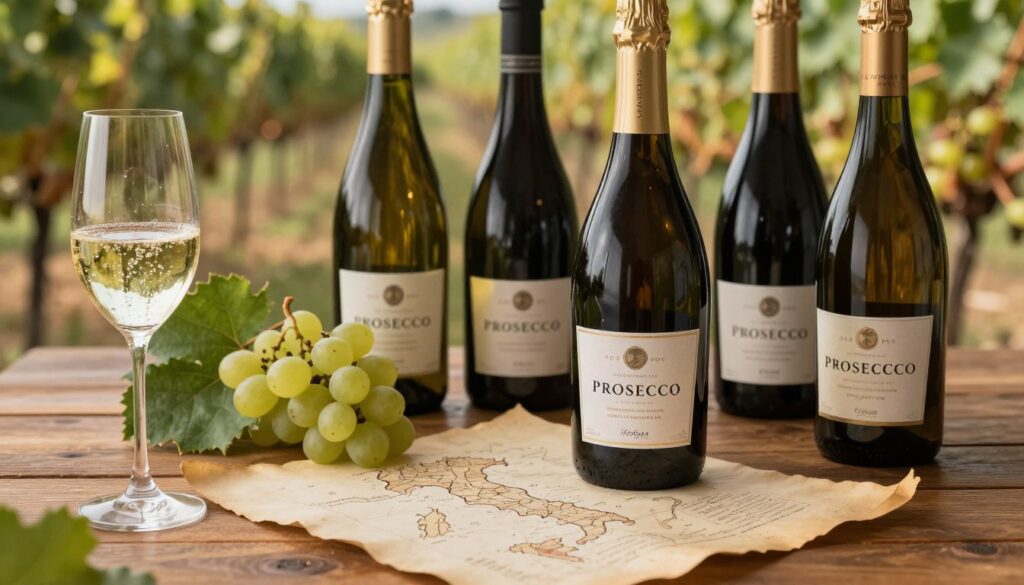
When exploring the delightful world of this sparkling wine, one quickly discovers its vibrant flavour profile. The Glera grapes contribute crisp notes of green apple and pear, complemented by subtle hints of white flowers. These elements create a refreshing experience that many wine enthusiasts cherish.
Understanding the sweetness levels is crucial. Prosecco is categorised by its residual sugar, with common labels such as Brut, Extra Dry, and Dry. Each classification offers a different tasting experience:
- Brut is the driest option, perfect for those who prefer minimal sweetness.
- Extra Dry strikes a balance, appealing to those who enjoy a hint of sugar.
- Dry is sweeter, making it a delightful choice for dessert pairings.
Pairing this wine with food is a breeze. Its acidity complements a range of dishes, from light appetisers to salty snacks and traditional Italian antipasti. This versatility makes it suitable for any occasion.
As noted by wine experts, “The aromatic qualities of the grapes shine through in every glass.” This consistency is what defines the appeal of this sparkling wine. With this guide, you can confidently select the perfect bottle to suit your taste and occasion.
Prosecco for Every Occasion: Serving Style and Cocktails
Prosecco brings a touch of elegance to every event. This sparkling wine is best enjoyed chilled, ideally between 38-45 °F (3-7 °C). Serving it at the right temperature preserves the finesse of the bubbles, enhancing the overall experience.
To enjoy its aromatic qualities, consider using a tulip-shaped glass. This style captures the essence of the Prosecco wine while maintaining the integrity of the bubbles. The wine typically has 3 atmospheres of pressure, which is lower than Champagne, resulting in a gentler mouthfeel and softer bubbles.
- Proper storage of the bottle ensures that the quality remains high.
- Whether you prefer a dry style or something slightly sweeter, the serving method stays the same.
- This wine is perfect for any celebration, from casual brunches to formal events.
- Classic cocktails like the Bellini and the Spritz highlight its versatility.
- Our guide offers expert advice on how to serve and mix this wine.

Sustainable Practices and Future Trends in the Prosecco Industry
As we navigate the evolving landscape of the Prosecco industry, sustainability takes centre stage. Producers in the Conegliano Valdobbiadene region are increasingly adopting sustainable viticulture to combat the challenges posed by climate change. This shift is essential for maintaining the quality of this beloved sparkling wine.
Climate change impacts vineyard management significantly, especially in the steep, erosion-prone hills. Producers are focusing on long-term quality by managing acidity and harvest timing to ensure the health of the Glera grape.
Innovations in winemaking, such as improved acidity management, help preserve the fresh notes of apple and pear that define Prosecco. The industry is committed to protecting the unique place this wine holds in the global market through sustainable practices.
By prioritising the health of their vineyards, producers can ensure that the bubbles and flavour profile remain consistent for years to come. This guide concludes by exploring how tradition meets modern innovation, ensuring the excellence of this Italian wine continues.
Conclusion
In closing, we have unveiled the many facets of this sparkling Italian wine. We explored its rich history, unique production methods, and diverse styles that make it a global favourite.
Understanding the difference between DOC and DOCG classifications helps you choose the best bottle for your personal taste and budget. The production methods ensure that every glass delivers the fresh, aromatic experience that has driven the immense popularity of this drink.
Whether enjoyed as an aperitif or paired with a meal, this wine remains a versatile and accessible choice. Our guide has provided the essential knowledge needed to navigate the world of this sparkling wine with confidence and appreciation.
We hope this information encourages you to explore the various regions and producers that contribute to the excellence of this iconic wine.


