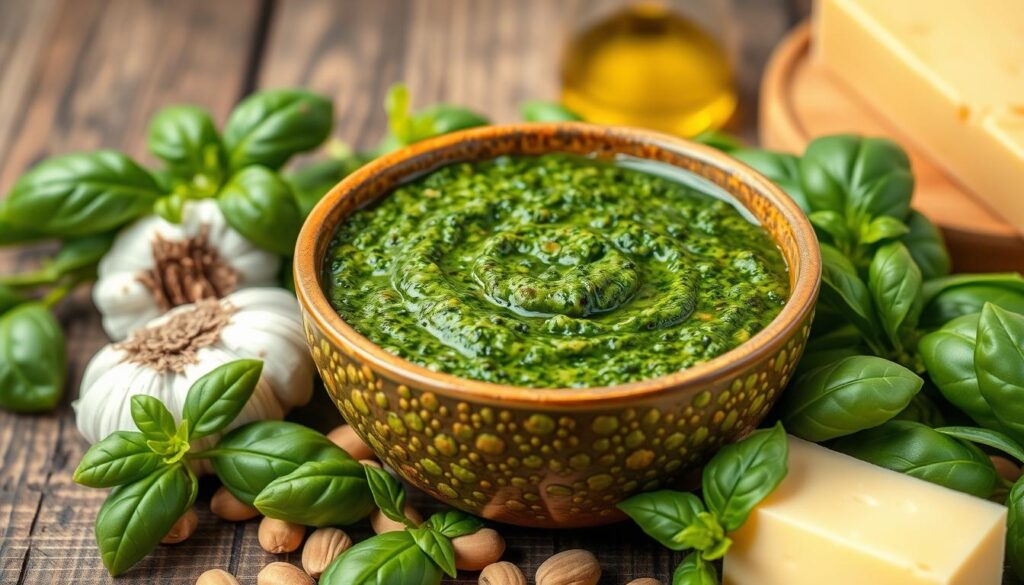
Organic Italian Basil Leaves are celebrated for their rich aroma and remarkable flavor. Derived from the Genovese-type basil, this variety stands out with its striking green hue. These leaves play a starring role in Italian cuisine, enhancing dishes such as:
- pesto,
- caprese salad,
- classic spaghetti sauce.
Their generous size and silky texture make them ideal for both cooking and use as decorative garnishes.
Bursting with essential oils, Organic Italian Basil offers a sweet yet slightly spicy taste with subtle clove undertones. This unique blend of flavors not only elevates the freshness of any dish but also gives the herb its signature fragrance. Additionally, these oils may provide health advantages like:
- antioxidants,
- anti-inflammatory benefits.
Highly versatile and easy to grow at home, this herb thrives in sunny areas with well-drained soil. Freshly picked leaves can be used immediately or preserved through:
- drying,
- freezing without sacrificing their robust flavor.
Whether blended into sauces or added fresh to salads, this basil brings depth and vibrancy to a wide range of recipes.
Nutritional Benefits and Antioxidant Properties of Basil
Organic Italian Basil Leaves are not just a flavorful addition to your dishes; they also come packed with health perks. Bursting with antioxidants, these leaves owe their distinctive aroma and taste to essential oils that carry numerous health-boosting compounds. The antioxidants, such as flavonoids and polyphenols, help combat oxidative stress by neutralizing free radicals, reducing cellular damage, and potentially lowering the risk of chronic illnesses while supporting overall wellness.
Another standout benefit of basil is its natural ability to fight inflammation. Thanks to compounds like eugenol found in its essential oils, basil can help manage conditions associated with prolonged inflammation.
Beyond that:
- basil’s antibacterial properties work to inhibit harmful bacteria growth,
- it’s also beneficial for digestion, as its phytochemicals contribute to maintaining a healthy gut microbiome,
- it enriches your diet with vital nutrients while delivering impressive medicinal benefits.
Growing Organic Italian Basil: Soil, Sunlight, and Watering Needs
Italian basil thrives when it gets plenty of sunlight, requiring a minimum of six hours of direct exposure daily to produce robust and flavorful leaves. For optimal growth, the soil should be well-draining, nutrient-rich, and have a pH between 6.0 and 7.5, which is ideal for this herb.
While it’s crucial to keep the soil evenly moist, overwatering must be avoided as it can lead to root rot. During drier spells, consistent watering ensures the plant stays hydrated. Using mulch around the base not only helps retain moisture but also stabilizes soil temperature for healthier growth.
Seasonal Growing Guide for Italian Basil
Italian basil, a popular annual herb, thrives in a range of conditions and is well-suited to USDA hardiness zones 3 through 10. For an early start, consider planting seeds indoors about 6 to 8 weeks before the final frost. Alternatively, you can sow them outdoors once spring temperatures stabilize and frost is no longer a concern. With the right combination of soil moisture and warmth, seeds generally sprout within 5 to 10 days.
To promote robust growth and enhance its flavor, make sure your basil gets at least six hours of sunlight daily. When transplanting seedlings into garden beds or containers, leave roughly 12 to 15 inches between each plant. This spacing ensures good airflow, reducing the chance of disease.
Throughout the growing season, maintain evenly moist soil without overwatering—too much water can lead to root rot. Adding mulch around the plants not only helps retain moisture but also keeps soil temperatures steady during particularly hot periods. To keep your basil productive and flavorful:
- harvest leaves regularly,
- frequent harvesting encourages new growth,
- prevent flowering as it could alter the taste of this beloved herb.
How to Prune and Maintain a Bushy Basil Plant
Pruning plays a vital role in keeping your basil plant thriving, full, and productive. Start by pinching off the central stem when the plant reaches about six weeks of age. This simple action encourages the growth of side branches. Once a stem develops more than eight sets of leaves, trim it back to the first or second set to stimulate new shoots and prevent the plant from growing tall and spindly.
Consistent trimming not only ensures your basil remains compact but also boosts leaf production over time. Removing flower buds as soon as they appear is another essential step—it channels the plant’s energy into producing flavorful leaves instead of seeds.
By adopting these straightforward care practices, you’ll be rewarded with a lush basil plant bursting with fresh leaves throughout the season.
Harvesting Organic Italian Basil Leaves
Picking organic Italian basil leaves is essential for the plant’s health and a consistent supply of fresh herbs. Start by pinching off the main stem once the plant reaches around six weeks of age. This simple step encourages side branches to develop, resulting in a fuller, more productive basil plant.
To keep it growing robustly:
- trim stems that have grown more than eight sets of leaves,
- cut back to the first or second set on each stem,
- stimulate new growth while preventing the plant from becoming spindly or overly tall.
Regular harvesting not only enhances leaf quality but also keeps flowering at bay, preserving its flavor.
As you harvest:
- choose vibrant green leaves,
- avoid leaves with discoloration or damage,
- ensure the best results for fresh and flavorful basil.
By following these practices, you’ll enjoy fresh and flavorful basil throughout its growing season while ensuring your plants remain healthy and lush.
Culinary Uses of Organic Italian Basil Leaves
Organic Italian Basil Leaves are a wonderfully versatile addition to any kitchen, offering a fresh, fragrant flavor that enhances a wide range of dishes. Their sweet yet slightly peppery profile is a hallmark of Italian cooking, often featured in classics like pesto and marinara sauce. Whether tossed fresh into salads or used as garnishes for soups, they bring both vibrant color and delightful depth.
In sauces—think spaghetti or tomato-based ones—they introduce a distinctive taste while maintaining their natural freshness. These leaves also lend themselves beautifully to infusions, transforming oils or vinegars into flavorful dressings that can elevate even the simplest meals. As part of marinades for meats and vegetables, they contribute an herbal richness that pairs perfectly with various seasonings.
- used in basil-infused drinks,
- paired with fruits like strawberries for desserts,
- indispensable for adding aroma and flavor to culinary creations.
How to Incorporate Fresh Basil into Daily Cooking
Adding fresh basil to your meals is a simple way to enhance both flavor and aroma. Tossing the leaves into salads brings a vibrant herbal freshness, while using them as garnishes on soups or appetizers adds a touch of elegance. For sauces like marinara or pesto, blending in basil provides its signature sweet and slightly peppery flavor.
- infused oils made with basil are excellent for creating flavorful dressings that complement vegetables or grilled meats beautifully,
- marinating chicken or fish with olive oil, garlic, and chopped basil introduces rich layers of taste to your dishes,
- surprisingly, this versatile herb even shines in desserts, pairing wonderfully with fruits like strawberries for an unexpected twist.
Thanks to its adaptability, basil seamlessly fits into countless recipes across different cuisines, making it an essential ingredient for effortlessly elevating any meal.
Why Italian Large Leaf Basil is Ideal for Pesto and Sauces
Italian Large Leaf Basil, particularly the Genovese variety, is cherished for its ideal role in crafting pesto and enhancing sauces. Its broad, tender leaves brim with essential oils, delivering a delightful balance of sweetness and a subtle peppery kick. This unique flavor profile brings depth and complexity to traditional dishes like pesto, where fresh basil takes center stage.
The velvety texture of these leaves ensures they blend effortlessly into smooth sauces, leaving no trace of fibrous bits. Their vibrant green hue not only elevates the visual appeal of a dish but also preserves a refreshing aroma even after cooking. These attributes make Italian Large Leaf Basil an indispensable choice for recipes that call for bold yet refined herbal notes.
Benefits of Italian Large Leaf Basil in Mediterranean Cuisine
Italian Large Leaf Basil is a cornerstone of Mediterranean cuisine, celebrated for its fragrant aroma and adaptable flavor. With a harmonious blend of sweet and peppery notes, it elevates staples like caprese salad, bruschetta, and rich tomato sauces. This herb complements olive oil, garlic, and fresh tomatoes perfectly—key elements in Mediterranean cooking.
But its benefits extend beyond the kitchen. Italian Large Leaf Basil naturally repels pests, making it an ideal companion plant for vegetables like tomatoes and peppers. By reducing the need for chemical pesticides, it supports healthier gardens with minimal effort.
No mention of this basil would be complete without highlighting pesto—a classic Mediterranean sauce featuring its broad leaves mixed with pine nuts, Parmesan cheese, garlic, and olive oil. Its smooth texture ensures sauces are free from tough fibers while delivering bold flavor.
Whether used fresh or in cooked dishes, this versatile herb not only enhances the taste of Mediterranean recipes but also brings practical gardening advantages like natural pest control. It’s an essential ingredient for capturing the vibrant essence of this beloved culinary tradition.