Parmesan cheese encompasses a range of hard, granular cheeses inspired by Parmigiano Reggiano but without adhering to strict production guidelines. On the other hand, Parmigiano Reggiano is a genuine delicacy crafted exclusively in certain regions of Italy—namely Parma, Reggio Emilia, Modena, and parts of Mantua and Bologna. It’s made using unpasteurized cow’s milk and follows traditional methods under rigorous regulations.
The key distinction between the two lies in their authenticity and origin. While “Parmesan” can refer to similar-style cheeses made anywhere in the world, Parmigiano Reggiano must comply with strict standards set by its Protected Designation of Origin (PDO) certification. This includes an aging process lasting at least 12 months, which imparts its signature rich and nutty flavor that sets it apart from generic Parmesan varieties.
Why Parmigiano Reggiano is Called the King of Cheeses
Parmigiano Reggiano has earned its reputation as the “King of Cheeses” thanks to its unparalleled quality, rich flavor, and deep connection to Italian culinary traditions. Its signature taste is the result of a meticulous aging process that can last 36 months or even longer. This careful aging develops complex, nutty, and savory flavors that set it apart from other cheeses. While delightful on its own, it also enhances dishes like pasta, risotto, and salads with an incredible depth of flavor.
This esteemed title reflects not only the cheese’s exceptional taste but also the centuries-old heritage and craftsmanship behind its creation. True Parmigiano Reggiano must be produced in specific regions of Italy:
- parma,
- reggio Emilia,
- modena,
- parts of Mantua,
- parts of Bologna.
Using time-honored methods handed down through generations, it is made from raw cow’s milk without additives or preservatives, standing as a testament to authenticity and excellence.
Its versatility solidifies its status as a cornerstone of fine cuisine. Whether grated over your favorite meal or paired with fruits and wine on a cheese board, Parmigiano Reggiano brings unmatched texture and flavor to any culinary occasion. These unique qualities have made it a worldwide symbol of premium Italian gastronomy.
What Makes Parmigiano Reggiano an Authentic Cheese?
Parmigiano Reggiano is celebrated as a genuine cheese, thanks to its unwavering commitment to traditional methods and deep connection to specific Italian regions. It’s crafted exclusively in the provinces of Parma, Reggio Emilia, Modena, and certain parts of Mantua and Bologna. The authenticity begins with unpasteurized cow’s milk sourced from cows fed a meticulously controlled diet to ensure exceptional purity and quality.
The production process honors centuries-old techniques. No additives or preservatives are ever used, allowing the cheese’s natural flavors to take center stage. After being made, it undergoes an aging period of at least 12 months under carefully monitored conditions—a crucial step in achieving its distinctive texture and complex flavor profile.
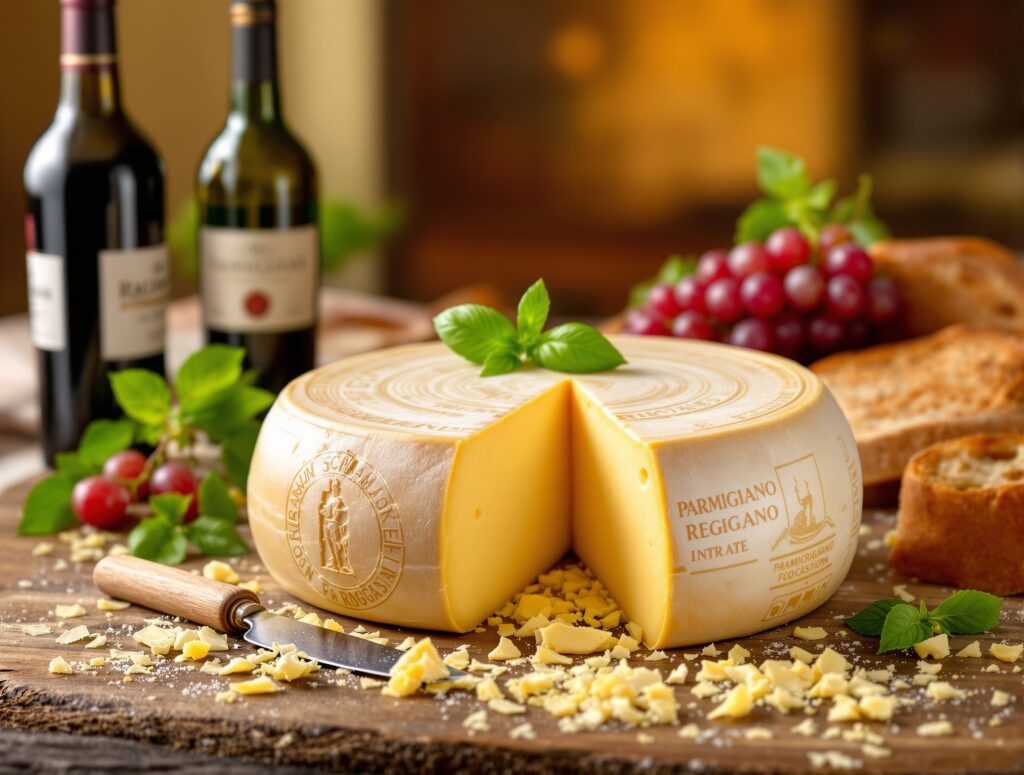
Every wheel is marked with the DOP (Denominazione di Origine Protetta) stamp as proof of its adherence to rigorous standards for origin and quality set by Protected Designation of Origin guidelines. These defining features elevate Parmigiano Reggiano beyond ordinary cheese; it embodies Italy’s rich tradition and artisanal skill.
Understanding the Protected Designation of Origin (PDO) for Parmesan
The Protected Designation of Origin (PDO) ensures that Parmigiano Reggiano is authentic and crafted exclusively in specific regions of Italy. These areas include:
- parma,
- reggio Emilia,
- modena,
- parts of Mantua,
- parts of Bologna.
This certification guarantees the cheese’s origin and upholds the time-honored methods passed down through generations. It plays a crucial role in preserving the reputation of Parmigiano Reggiano by verifying its quality and preventing counterfeit products from misleading buyers.
To earn PDO status, Parmigiano Reggiano must meet strict requirements:
- produced using unpasteurized cow’s milk,
- cows fed a strictly regulated diet to maintain its purity,
- recipe relies solely on natural ingredients with no additives or preservatives,
- each wheel undergoes an aging process of at least 12 months,
- develops its distinctive nutty flavor and crumbly texture.
This certification goes beyond protecting cultural heritage and artisanal expertise. It also helps shoppers easily identify genuine “Parmigiano Reggiano PDO” on store shelves.
DOP Certification: Ensuring Quality and Authenticity
Parmigiano Reggiano’s DOP certification, or Denominazione di Origine Protetta, is essential for maintaining the cheese’s quality and authenticity. This label guarantees that the cheese is produced exclusively in specific regions of Italy—Parma, Reggio Emilia, Modena, and parts of Mantua and Bologna. These areas are renowned for their unique conditions that contribute to the cheese’s distinctive flavor.
The certification imposes strict guidelines on production methods:
- made with unpasteurized cow’s milk from cows that follow a carefully regulated diet,
- ensures purity and consistency in every batch,
- no additives or preservatives are allowed,
- must age for a minimum of 12 months under controlled conditions,
- develops its characteristic nutty taste and crumbly texture.
Each wheel bears the DOP mark as proof of meeting these high standards. This not only assures consumers of its genuineness but also safeguards cultural traditions while preventing counterfeit products worldwide. By upholding such rigorous criteria, the certification preserves both the heritage and esteemed reputation of Parmigiano Reggiano as one of Italy’s most treasured cheeses.
The Role of Unpasteurised Cow’s Milk in Parmigiano Reggiano
Unpasteurized cow’s milk is central to crafting Parmigiano Reggiano, infusing the cheese with its signature flavor and distinct texture. By using raw milk, natural enzymes and bacteria are preserved, playing a crucial role in the aging process. These microorganisms interact with the milk’s proteins and fats, gradually producing complex flavors.
This time-honored method is what makes Parmigiano Reggiano a legendary cheese. The cows providing the milk are fed a strictly regulated diet of locally sourced forage, enhancing its unique characteristics. Skipping pasteurization ensures the cheese maintains a depth of flavor that processed or standardized milk simply can’t replicate.
Aging takes a minimum of 12 months but often stretches to 36 months or even longer. Throughout this period, the unpasteurized milk allows intricate flavors to emerge—ranging from nutty and savory notes to sweeter and umami-rich undertones. This extraordinary complexity has earned Parmigiano Reggiano worldwide acclaim as a true testament to tradition and craftsmanship.
Aging Process: Minimum 12 Months to Maximum Flavor
The aging of Parmigiano Reggiano is essential to crafting its unique flavor and texture. This iconic cheese requires a minimum of 12 months to mature, during which it begins to reveal its signature qualities. At this point, it boasts sweet, milky notes alongside a firm yet slightly springy consistency.
As the maturation extends past a year—often reaching two or even three years—the flavors deepen and evolve:
- sweetness gives way to sharper, savory tones,
- nutty and umami-rich hints emerge,
- making it perfect for grating over pasta or pairing with wine on a cheese platter.
The texture undergoes remarkable changes as well:
- younger wheels remain soft and creamy,
- as time progresses, the cheese becomes crumbly,
- it develops tiny crystals from natural protein breakdown.
These distinctive characteristics make Parmigiano Reggiano highly prized by chefs and food enthusiasts who value its rich complexity and culinary flexibility. Through this meticulous aging process, Parmigiano Reggiano achieves an exquisite balance of depth and quality—earning its place as one of Italy’s most beloved cheeses.
Parmigiano Reggiano PDO Aged 24 Months: Complex Flavors Unlocked
Parmigiano Reggiano PDO aged 24 months represents a pivotal moment in its journey of maturation. At this stage, the cheese’s flavor reaches a harmonious blend of richness and versatility. The aging process amplifies its nutty and savory tones while introducing intricate layers of complexity. Its texture transforms into a delightful crumble, highlighted by the formation of tyrosine crystals that add a distinctive crunch.
Renowned for its robust taste, this cheese is perfect for:
- grating over dishes like pasta or risotto,
- pairing with wine, pears, or nuts,
- elevating any cheese platter with its refined presence.
These attributes make it a favorite choice among gourmet enthusiasts who cherish premium Italian cheeses.
The 24-month aging period unlocks deeper aromas and flavors in Parmigiano Reggiano. It offers more character than younger versions yet remains gentle enough to enhance a variety of culinary creations effortlessly.
Parmigiano Reggiano PDO Aged 36 Months: Aged to Perfection
Parmigiano Reggiano PDO, aged for an impressive 36 months, represents the pinnacle of this celebrated cheese’s maturation. During this time, its flavor develops into a rich and complex profile, delivering a truly satisfying taste. The prolonged aging also enhances its crumbly texture, dotted with tyrosine crystals that add a delightful crunch.
This exceptional quality is cherished by enthusiasts who appreciate its bold character and versatility. Its robust flavor pairs beautifully with:
- fresh fruits,
- crunchy nuts,
- aged balsamic vinegar.
Creating an unforgettable culinary combination. It’s equally at home alongside red wines or sparkling varieties, making it a perfect choice for memorable occasions.
The 36-month aging process showcases the artisanal craftsmanship behind Parmigiano Reggiano and its unique ability to elevate both simple meals and gourmet creations. Whether grated over:
- pasta,
- risotto,
- served in chunky pieces on an elegant cheese board.
It never fails to impress.
How to Identify Authentic Italian Aged Parmesan Cheese
To identify authentic Italian aged Parmesan cheese, begin by checking for the DOP label (Denominazione di Origine Protetta). This designation guarantees that the cheese adheres to strict production standards and originates from specific regions in Italy, such as:
- parma,
- reggio Emilia,
- modena,
- mantua,
- bologna.
Genuine Parmigiano Reggiano is characterized by its granular texture, rich nutty flavor, and distinctive aroma. It’s crafted exclusively with unpasteurized cow’s milk and aged for a minimum of 12 months. Older varieties tend to boast deeper and more intricate flavors. Be sure to inspect the rind for the embossed “Parmigiano Reggiano” mark—this is your confirmation of its authenticity.