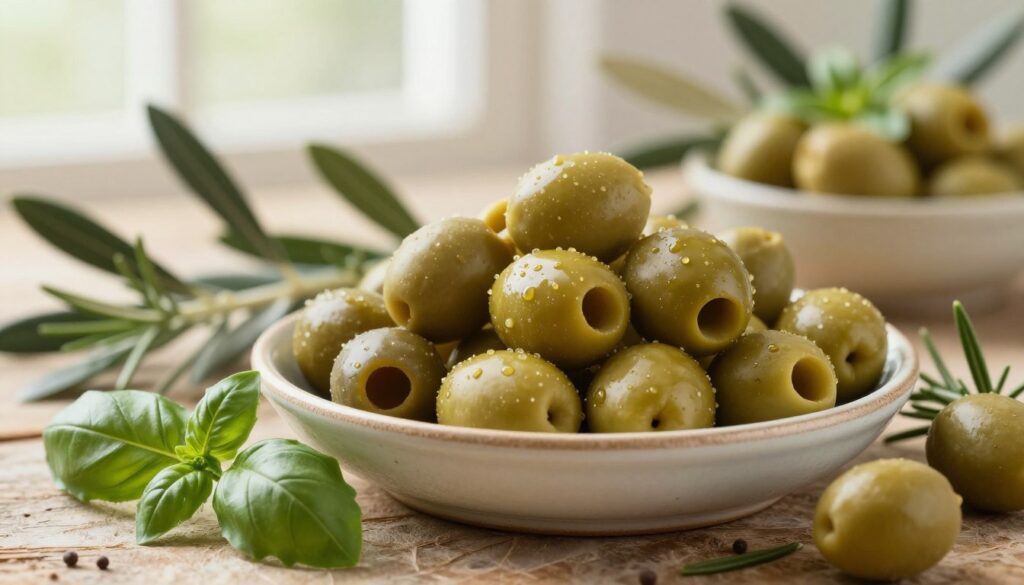
Welcome to our comprehensive guide on the fascinating world of green olives. These delightful fruits, scientifically known as Olea europaea, are a staple in Mediterranean cuisine. They not only add a unique flavour to dishes but also come packed with numerous health benefits.
In this article, we will explore the rich history and diverse varieties of these fruits available to consumers. You’ll discover the significant health advantages they offer, including a high concentration of antioxidants and essential vitamins that can enhance your daily diet.
Additionally, we will provide tips on selecting the best quality products in the UK, ensuring that every jar you purchase delivers an authentic Mediterranean experience. From traditional curing processes to innovative culinary uses, our expert advice will help elevate your home cooking.
By understanding the nutritional profile of these fruits, you can make informed choices that support your long-term heart health and overall wellbeing.
Key Takeaways
- Discover the diverse varieties of green olives.
- Learn about the health benefits of these fruits.
- Get tips for selecting quality products in the UK.
- Explore traditional and creative culinary uses.
- Understand the nutritional profile for better health choices.
Introduction to Italian Green Olives
Explore the rich heritage of olives, a fruit that has captivated palates for millennia. Humans have enjoyed this remarkable fruit for about 10,000 years, evolving from wild harvests to cultivated crops. The olive tree, scientifically known as Olea europaea, has been integral to the Mediterranean landscape throughout history.
Olive cultivation began over 3,000 years ago, originating in regions that are now modern-day Syria and Palestine. This agricultural practice spread to become a hallmark of the Italian region, where olives are deeply woven into culinary traditions.
While many associate olives primarily with Italy, the olive tree flourishes in diverse climates worldwide, from South Africa to New Zealand. Understanding the origins of this fruit enhances our appreciation for its cultural significance in Mediterranean cuisine.
| Aspect | Details |
|---|---|
| Scientific Name | Olea europaea |
| Years Cultivated | 3,000+ |
| Global Regions | Italy, South Africa, New Zealand |
| Historical Significance | 10,000 years of consumption |
Varieties and Types of Olives in Italy and Beyond
Delve into the diverse world of olives, where each variety tells a unique story. From the robust flavours of black olives to the crispness of their green counterparts, the range is impressive. Notably, kalamata olives stand out with their deep purple hue and distinct almond shape, making them a favourite in many dishes.
Each region boasts its own specialties. For instance, the Cerignola variety from Puglia, Italy, is renowned for its large size and is best enjoyed whole, often paired with drinks and snacks like nuts. Meanwhile, Sicilian Nocellara del Belice, also known as Castelvetrano, offers a rich, buttery flavour that is perfect for an aperitif.
Greek Amfissa olives are celebrated for their faintly lemony taste, adding a refreshing twist to traditional recipes. Similarly, Halkidiki olives from northern Greece are popular for snacking, whether pitted or whole. These varieties showcase the wonderful diversity of olives available today.
The Curing Process and Preparation Techniques
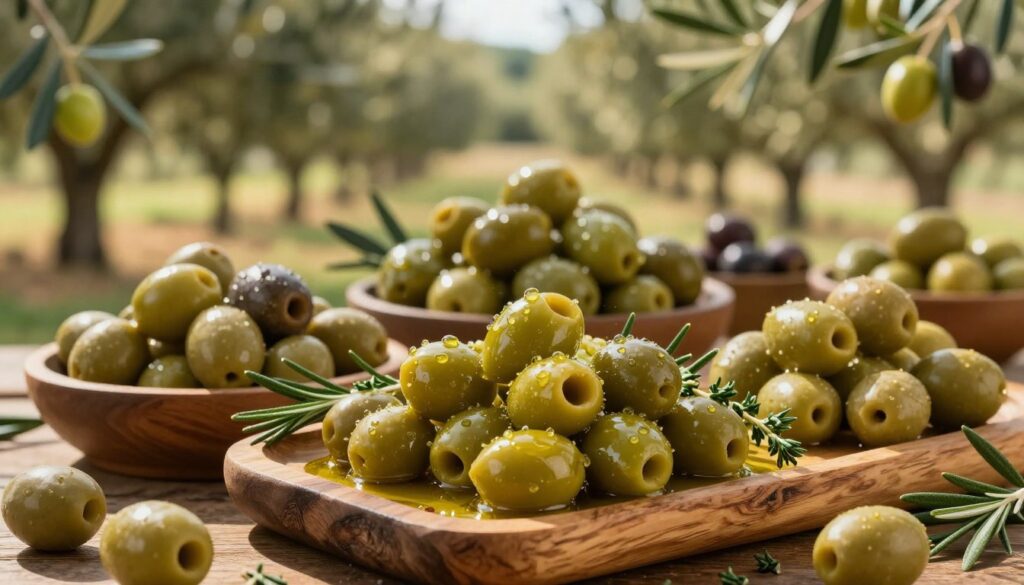
Unlocking the flavour of olives requires an intricate process of curing and preparation. Fresh olives contain oleuropein, a bitter compound that makes them inedible straight from the tree. To enjoy their delightful taste, a proper curing method is essential.
The traditional method involves soaking olives in a brine solution. This process not only removes the bitterness but also enhances the fruit’s natural flavours. Whether using a salt-based or water brine, the aim is to achieve the perfect texture for table olives.
Modern innovations have introduced techniques like cold-pressing, which extracts oil without heat. This method preserves the integrity of the fruit, making it a popular choice among producers. Home cooks can easily recreate the taste of marinated olives by rinsing jarred varieties and soaking them in herbs, with no actual cooking required.
| Method | Description |
|---|---|
| Traditional Brining | Soaking in a saltwater solution to remove bitterness. |
| Cold-Pressing | Extracting oil without heat to maintain quality. |
| Herb Soaking | Enhancing jarred olives with herbs for added flavour. |
Nutritional Insights and Health Benefits of green olives
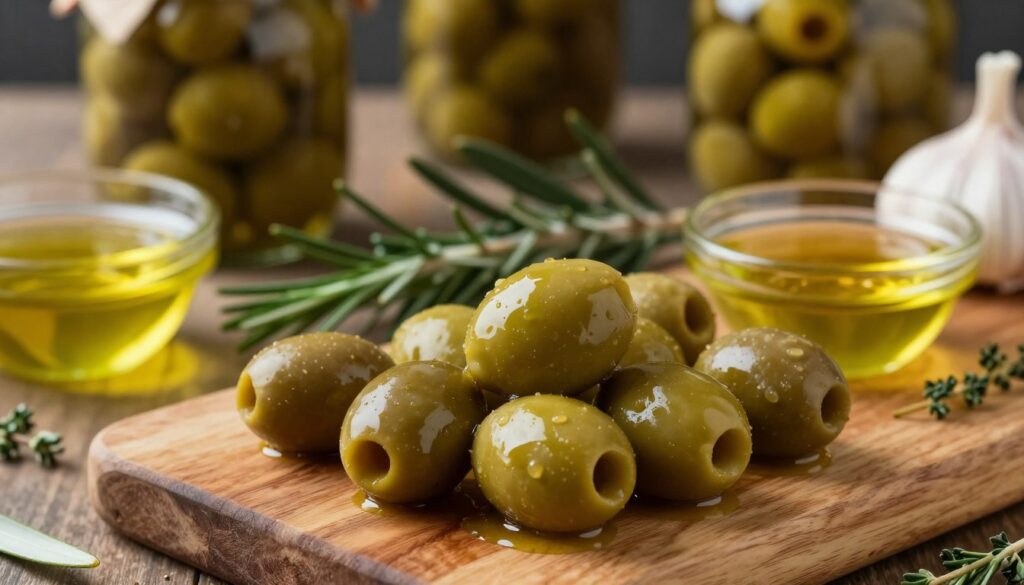
Let’s uncover the nutritional treasures hidden within these delightful fruits. Olives are not just a tasty addition to your meals; they also offer numerous health benefits. A serving of five olives stuffed with pimientos contains only 20 calories and 2 grams of fat, making them a light food choice.
However, it’s essential to be mindful of their sodium content. A single olive can contain as much as 52 milligrams of sodium, which can add up quickly, especially since the CDC reports that the average American consumes 3,300 milligrams of sodium daily, exceeding the recommended limit of 2,300 milligrams.
Research shows that oleocanthal, a compound found in olive oil, may help kill cancer cells in laboratory settings. Additionally, olives are rich in vitamin E and antioxidants, which can lower the risk of heart disease and chronic inflammation.
- Five olives provide just 20 calories, perfect for those watching their intake.
- High sodium content can be a concern, with one olive containing 52 milligrams.
- Research indicates oleocanthal may reduce breast cancer risk.
- Rich in vitamin E, olives help combat heart disease.
- Oleanolic acid promotes liver health and regulates blood fat levels.
- Extra-virgin olive oil is linked to a lower risk of heart disease.
Culinary Uses and Recipe Inspirations Featuring Green Olives
Let’s dive into the culinary world where the delightful taste of olives enhances a variety of dishes. These fruits are incredibly versatile, adding a burst of flavour to salads, pasta, and more.
For a refreshing salad, consider adding chopped green olives to your favourite garden mix. This simple addition brings a Mediterranean twist that elevates the overall taste.
Another quick idea is to stuff large olives with soft cheese or garlic. Serve these alongside drinks for a delightful appetiser at your next gathering.
Fragata suggests marinating olives in a mixture of olive oil, lemon, garlic, and parsley. This custom blend enhances their flavour, making them a perfect snack or addition to meals.
Additionally, tapenades made from chopped olives can be spread on crusty bread or used as a base for various Mediterranean-inspired recipes. You can also slice olives to top sandwiches or pizzas, incorporating them into everyday dishes.
Finally, drizzle olive oil over hummus or use it as a base for salad dressings. This not only adds richness but also promotes healthier eating.
| Recipe Idea | Description |
|---|---|
| Chopped Olive Salad | Add chopped olives to fresh salads for a Mediterranean flavour. |
| Stuffed Olives | Stuff large olives with cheese or garlic for a quick appetiser. |
| Marinated Olives | Use olive oil, lemon, garlic, and parsley for a flavour boost. |
| Olive Tapenade | Spread on bread or use as a base for recipes. |
Sourcing and Selecting Premium Olives in the UK
Finding the perfect olives in the UK can be a delightful adventure. When you know what to look for, the process becomes much easier and more enjoyable. Quality olives can enhance your meals and provide numerous health benefits.
Here are some tips for identifying quality Italian olives:
- Look for loose olives at specialty counters, allowing you to taste different varieties before purchasing.
- Be cautious of tinned olives, as many are dyed black; always check the label for quality.
- Fresh olives are a healthier choice if you’re monitoring sodium intake, though they may be harder to find.
- High-quality olives harvested at the right time will have a firm texture, while inferior pitted olives often lose their natural flavour.
- To keep your olives fresh, store them in an airtight container in the fridge; they last 3-4 days after opening.
- Unopened tinned or bottled olives can be stored in a cool, dark place for up to 12 months, making them a convenient pantry staple.
- When selecting Italian varieties, opt for those from renowned regions like Puglia or Sicily for the best quality.
Conclusion
Ultimately, the diverse uses and health benefits of these fruits make them an essential addition to any meal. Their rich antioxidant and vitamin content offers significant advantages for your health.
By learning about the various types and the curing process, you can truly appreciate the complex flavour profiles found in premium Italian products. Whether enjoyed in pasta, salads, or as a simple snack, these fruits are a fantastic item to have on hand.
Be mindful of your sodium intake and opt for high-quality choices to maximise the heart health benefits of your olive oil and table olives. We hope this guide has inspired you to explore the diverse world of olives and experiment with new ways to enjoy their unique flavour.