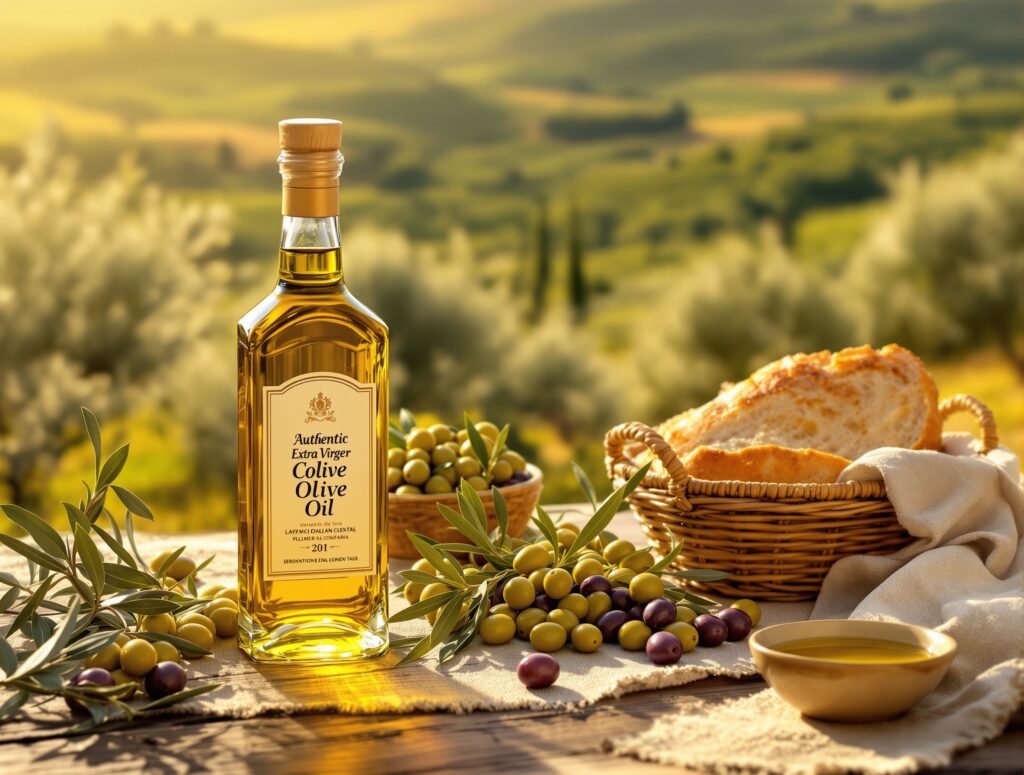
Italian Extra Virgin Olive Oil, known as “Olio di oliva extra vergine” in Italian, is a premium oil derived from the first cold pressing of olives. Praised for its rich, fruity taste and bold character, it undergoes very little processing to preserve its natural qualities. This exceptional oil is crafted solely from 100% Italian olives and adheres to rigorous quality standards.
Italy holds the position of the world’s second-largest producer of olive oil. The nation cultivates more than 450 olive varieties, with most grown in the southern regions and smaller contributions from central and northern parts. The production emphasizes retaining both flavor and nutritional benefits, making it one of the finest examples of cold-pressed olive oils available today.
What Makes Italian Extra Virgin Olive Oil Unique?
Italian Extra Virgin Olive Oil is celebrated for its exceptional quality, diverse regional flavors, and dedication to preserving its natural essence. To earn the “extra virgin” label, the oil must adhere to strict standards, including an acidity level no higher than 0.8%. This requirement places it in the top tier of olive oils. Harvesting typically involves traditional techniques and focuses on particular olive varieties like Frantoio and Leccino, ensuring the final product remains of high quality.
The unique characteristics of Italian olive oils are deeply influenced by the country’s varied geography. Every region contributes its own distinct taste and aroma, shaped by differences in climate, soil composition, and farming traditions.
- tuscany is renowned for producing robust and peppery oils,
- liguria is known for its lighter, more delicate offerings,
- every region offers a unique combination of taste and aroma.
Certifications such as DOP (Protected Designation of Origin) further enhance authenticity by guaranteeing that the oil is crafted under rigorous guidelines within specific regions. These factors combine to create a product that is globally admired for both its rich flavor and unparalleled excellence.
Understanding the DOP and IGP Certifications
DOP (Protected Designation of Origin) and IGP (Protected Geographical Indication) play a vital role in ensuring the quality and authenticity of Italian Extra Virgin Olive Oil.
- DOP certification guarantees that every step, from production to packaging, happens within a specific region,
- adheres to stringent guidelines aimed at preserving time-honored methods and unique regional traits,
- offers complete traceability alongside meticulous quality checks.
IGP, meanwhile, requires that at least one stage of production takes place in the designated geographic area. While its standards are slightly more flexible than those of DOP, it still emphasizes a strong connection between the oil and its region of origin while prioritizing superior quality.
These certifications not only help buyers identify genuine Italian olive oil but also safeguard the efforts of producers dedicated to traditional practices. They symbolize exceptional craftsmanship and reflect Italy’s commitment to preserving its deep-rooted olive oil heritage.
How Is Italian Extra Virgin Olive Oil Made?
The journey of Italian Extra Virgin Olive Oil starts with meticulous harvesting. Olives, chosen at their peak ripeness, are often handpicked or gathered using mechanical shakers to prevent damage. Once collected, they’re swiftly transported to a mill to preserve their freshness.
At the mill, the olives undergo a thorough washing process to remove dirt and other impurities. Afterward, they are crushed into a paste using traditional stone mills or modern steel crushers. This crucial step releases the oil while maintaining its natural integrity.
The next stage is malaxation, where the olive paste is gently stirred at controlled temperatures below 27°C. This careful stirring helps tiny oil droplets merge without compromising heat-sensitive nutrients and flavors.
To separate the oil from the paste, centrifugation is employed. This technique uses centrifugal force to isolate the oil from water and solid residues without any chemicals or refining procedures. However, in some regions, small-scale producers may still rely on traditional pressing methods.
Finally, once separated, the oil can be filtered or left unfiltered according to local preferences. It’s then bottled in dark glass containers to protect it from light and oxidation. This thoughtful process ensures that Italian Extra Virgin Olive Oil retains its robust flavor and exceptional nutritional benefits.
Olive Varieties Used in Italian Extra Virgin Olive Oil
Italian Extra Virgin Olive Oil is crafted from an assortment of olive varieties, each bringing its own distinctive flavors and characteristics.
- frantoio olives are celebrated for their bold personality, offering a fruity taste with a subtle peppery kick,
- leccino olives produce a milder oil with delicate floral notes, making them versatile for various culinary uses,
- pendolino olives are often blended due to their smooth texture and gentle flavor.
This diversity in olive types is rooted in Italy’s rich range of climates and soil conditions. Tuscany, for instance, predominantly cultivates Frantoio olives to create its famously robust oils. Leccino thrives in regions that demand resilience to environmental shifts, while Pendolino is frequently grown alongside other varieties because it serves as an excellent pollinator.
Through thoughtful selection of these olive varieties, Italian Extra Virgin Olive Oil continues to uphold its legacy of outstanding quality and intricate flavors that reflect the uniqueness of each region and purpose.
Top Italian Olive Oil Regions and Their Specialties
Italy boasts a rich tapestry of renowned olive oil regions, each distinguished by flavors and specialties influenced by their unique climate, soil, and traditions.
- tuscany is celebrated for its robust and peppery oils derived from Frantoio olives grown on the picturesque Tuscan hills,
- liguria focuses on lighter, fruitier oils primarily made from Taggiasca olives,
- puglia is one of the country’s largest producers of olive oil with abundant groves,
- sicily yields rich and aromatic oils bursting with bold herbal and citrus notes.
These prized Tuscan oils, with their complex profiles, are ideal for drizzling over grilled vegetables or hearty soups.
The delicate oils from Liguria are an excellent choice for enhancing seafood dishes and fresh salads.
Puglia offers versatile oils featuring balanced flavors that seamlessly complement a wide range of recipes.
The distinctive Sicilian oils are perfect companions to Mediterranean classics like caponata or pasta alla Norma.
Together, these regions showcase Italy’s diverse olive oil heritage—a testament to its dedication to crafting extraordinary extra virgin olive oils that cater to every palate.
Exploring the Rich Flavor Profiles of Italian Extra Virgin Olive Oil
Italian Extra Virgin Olive Oil is renowned for its diverse and distinctive flavors, ranging from fruity and floral to nutty, often finishing with a pleasant spice. The taste depends on factors like the olive variety, the region of production, and the harvest timing. For example, Tuscan oils are celebrated for their bold herbal notes paired with a peppery aftertaste, while Ligurian oils offer a gentler, more subtle profile.
The flavor combines vibrant fruitiness with earthy hints or a touch of mild bitterness. This intricate blend makes it an ideal choice to elevate both simple dishes and complex culinary creations. Whether enhancing fresh salads, complementing crusty bread, enriching grilled meats, or even adding depth to desserts, it’s incredibly versatile.
Its rich aroma stems from traditional methods that prioritize freshness and natural quality. Whether drizzled raw over food or incorporated into cooking, Italian Extra Virgin Olive Oil enhances every dish while highlighting its exceptional character.
Health Benefits of Italian Extra Virgin Olive Oil
Italian Extra Virgin Olive Oil is packed with health benefits, thanks to its unique blend of monounsaturated fats, antioxidants, and anti-inflammatory properties. The abundance of monounsaturated fats—primarily oleic acid—not only helps lower LDL (bad) cholesterol but also increases HDL (good) cholesterol, making it an excellent choice for promoting heart health and reducing the risk of cardiovascular disease.
Loaded with antioxidants like vitamin E and polyphenols, this oil plays a key role in fighting free radicals and reducing oxidative stress in the body. These qualities can help lower the chances of developing chronic illnesses such as type 2 diabetes or certain cancers. Its anti-inflammatory attributes may also provide relief from conditions such as arthritis.
Incorporating this oil into your diet regularly can aid digestion by improving the absorption of fat-soluble vitamins like A, D, E, and K. It also supports gut health by fostering a balanced microbiome. Research highlights its potential to boost brain function through neuroprotective effects that contribute to cognitive wellness.
- drizzle it over fresh salads,
- use it while preparing meals,
- elevate flavors while delivering healthful benefits.
Organic Italian Extra Virgin Olive Oil: Benefits and Features
Organic Italian Extra Virgin Olive Oil stands out for its commitment to eco-conscious farming practices. Grown without synthetic pesticides or fertilizers, it not only supports sustainability but also offers significant health advantages, making it a wholesome and nutritious option.
Its chemical-free cultivation results in a rich, unique taste profile. Expect notes of fruitiness and earthiness, accompanied by a subtle peppery kick. Additionally, this olive oil is packed with antioxidants like polyphenols and vitamin E, known for their anti-inflammatory benefits and positive impact on heart health.
- drizzle it over salads for added flavor,
- incorporate it into your cooking to enhance meals,
- beyond its culinary appeal, its production fosters soil vitality and biodiversity.
For those prioritizing nutritious eating, this oil is an exceptional choice. Ideal for anyone who values sustainable food options in their lifestyle.
How to Identify Authentic Italian Extra Virgin Olive Oil
Spotting authentic Italian Extra Virgin Olive Oil involves paying close attention to specific certifications and quality cues.
- look for labels marked with DOP (Protected Designation of Origin) or IGP (Protected Geographical Indication),
- check the harvest date as fresher oils taste better and retain more nutritional benefits,
- ensure the packaging is a dark glass bottle to protect the oil from light exposure and oxidation.
Sampling the oil can also help confirm its authenticity. Genuine Italian Extra Virgin Olive Oil boasts a fruity fragrance, a hint of bitterness, and a peppery finish—qualities that come from superior olives and meticulous production methods.
Avoid products with vague labeling or missing certification details. By following these guidelines, you can confidently select real Italian Extra Virgin Olive Oil known for its exceptional flavor and uncompromising standards.